










Cold Weather Gear for Construction Workers
Cold doesn’t stop the job. It just exposes weak gear. This lineup is built for early starts, wind on open decks, wet concrete, and long hours moving material. Layer it right—merino base, warm midlayer, weather-blocking outerwear—then finish with pants that move and boots that hold their ground.
Insulated Jackets & Jobsite Outerwear
DWR-treated insulation, hardwearing construction, and coverage that stays put when the wind turns.


Softshells & Wind-Blocking Layers
Stretch softshell protection and packable wind layers for changing weather and high-output days.

Work Hoodies, Fleece & Midlayers
Heavy fleece and dependable midlayers that work under a shell without binding up your shoulders.


Thermal Base Layers (Merino & Performance Knits)
Base layers that manage sweat, hold heat, and stay comfortable through long shifts and hard pace.


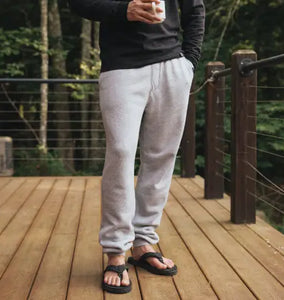
Cold-Weather Work Pants & Denim
Stretch canvas and reinforced denim built for climbing, kneeling, and carrying—room to layer when it’s cold.

MOAB® American-Made Stretch Canvas Pant – RELAXED

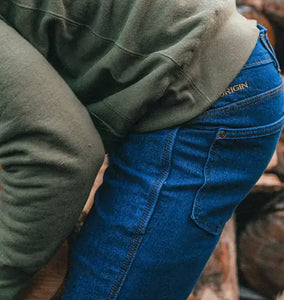
ORIGIN® MAVERICK JEANS - RELAXED

DELTA FLEX™ Performance Stretch Jeans – RELAXED

DELTA FLEX™ Performance Stretch Jeans – TAPER

MOAB® Stretch Canvas Pant – Straight

MOAB® American-Made Stretch Canvas Pant – TAPER


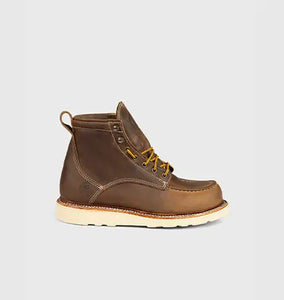
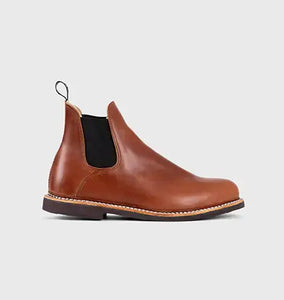
Steel Toe Work Boots
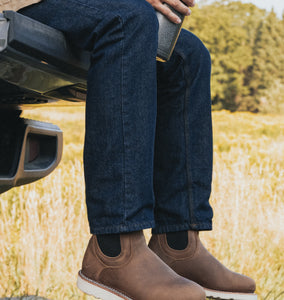
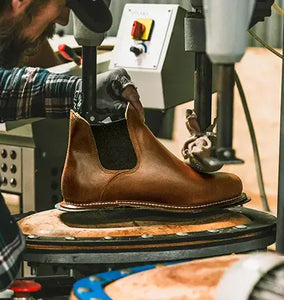
American leather, jobsite-ready soles, and steel toe options—built for concrete, mud, and uneven ground.

THE WILTON 8" STEEL TOE WORK BOOT - BIG LUG

THE WILTON 6" STEEL TOE WORK BOOT - BIG LUG

MAINE MOC STEEL TOE BOOT 6" - NATURAL WEDGE SOLE

IRONSIDE CHELSEA STEEL TOE BOOT BIG LUG SOLE

IRONSIDE CHELSEA STEEL TOE NATURAL WEDGE SOLE

MAINE MOC STEEL TOE BOOT 8" - NATURAL WEDGE SOLE


Beanies & Cold-Weather Headwear
Heavy-knit warmth that fits under a hood and stays comfortable from first light to lock-up.


Merino-Blend Work Socks
Cushioned zones and reinforced yarns with merino comfort—made to live inside work boots.


Frequently asked questions
Start with a moisture-wicking base layer to keep sweat off your skin, add a warm midlayer (waffle knit, fleece, or hoodie), then finish with a wind- and weather-blocking outer layer. The goal is control: add or shed one layer as your output changes so you stay warm without getting soaked.
Insulated jackets are built to trap heat when you’re standing still, riding lifts, or working in sustained cold. Softshells prioritize mobility and breathability while cutting wind and shedding light precipitation—better for active work where overheating is the real problem.
Yes. Origin offers steel toe work boot options built with durable leather and jobsite-ready outsoles. Always match the boot to your site rules and the surface you’re on—lug soles for loose ground and mud, wedge soles for long days on concrete.
They’re built for it. Merino helps regulate temperature and manage odor, while purpose-built knits move moisture so you don’t chill out when you slow down. For construction work, that sweat management is what keeps you steady through a full shift.
If you’re regularly running thermal leggings underneath, a relaxed fit or a little more room through the thigh can make layering easier and keep movement clean when you kneel, step up, or climb. Prioritize mobility features like gussets and ergonomic patterning so the pant moves instead of fighting you.
Follow the care label. In general: wash base layers on a gentle cycle with mild detergent and avoid high heat drying. For water-resistant outerwear, keep it clean so the face fabric can shed water properly, and re-treat the DWR finish as needed after heavy use.


