













1. Home
  2. Boots For Outdoor Work

Boots For Outdoor Work

Find boots for outdoor work that fit your job and the conditions you face. Explore the selection with terrain, weather, and hours on your feet in mind, and compare each pair’s fit and specifications against your workplace footwear requirements.

Read More

Filter

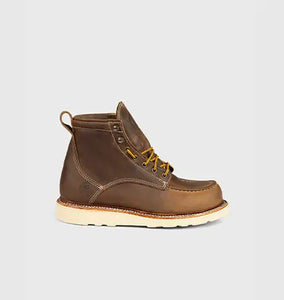
MAINE MOC TOE BOOT - NATURAL WEDGE SOLE
Rating: 4.8656716 out of 5 stars, 335 reviews
$330 $330
Price $330
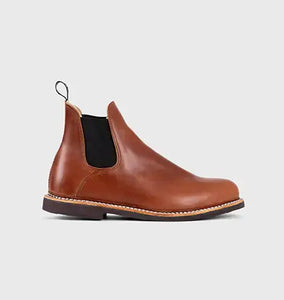
IRONSIDE CHELSEA BOOT BIG LUG SOLE
Rating: 4.7291665 out of 5 stars, 144 reviews
$339 $339
Price $339
IRONSIDE CHELSEA STEEL TOE NATURAL WEDGE SOLE
Rating: 4.7291665 out of 5 stars, 144 reviews
$359 $359
Price $359
MAINE MOC STEEL TOE BOOT 8" - NATURAL WEDGE SOLE
Rating: 4.5365853 out of 5 stars, 41 reviews
$349 $349
Price $349
THE WILTON 6" GOODYEAR WELTED BOOT - BIG LUG
Rating: 4.6842103 out of 5 stars, 38 reviews
$319 $319
Price $319
THE WILTON 6" GOODYEAR WELTED BOOT - ALPHA SOLE
Rating: 4.733333 out of 5 stars, 30 reviews
$319 $319
Price $319
THE CORONADO 6 INCH HYBRID BOOT - CHRISTY NATURAL
Rating: 4.551724 out of 5 stars, 29 reviews
$299 $299
Price $299
THE WILTON 6" GOODYEAR WELTED BOOT - NATURAL WEDGE SOLE
Rating: 4.5 out of 5 stars, 18 reviews
$319 $319
Price $319
THE WILTON 8" STEEL TOE WORK BOOT - ALPHA
Rating: 3.7333333 out of 5 stars, 15 reviews
$339 $339
Price $339
The Lincoln Lifestyle Boot by Origin® - Standard Lug
Rating: 4 out of 5 stars, 7 reviews
$359 $359
Price $359

Boots For Outdoor Work

Boots for outdoor work belong where the job meets uneven ground, changing weather, and long hours on your feet. For people working around farms, maintaining property, handling landscaping, or moving between a workshop and an outdoor jobsite, the right pair starts with the demands of the work. Ground conditions, exposure to moisture, and the amount of walking, standing, or kneeling all shape what matters most. A boot suited to frequent movement needs a different balance of flexibility and support than one chosen primarily for stationary work in cold conditions. Overall weight matters, too, especially when the day includes repeated climbs, long walks, or carrying equipment. Choosing among work boots means looking beyond appearance to the details that affect daily wear: how the boot fits, how the sole meets the ground, and whether its construction matches the conditions where it will be used.

Traction, weather protection, and durability deserve close attention, but each depends on more than a broad product description. Outsole tread and compound influence how a boot handles loose soil, mud, gravel, or hard surfaces; no single tread pattern serves every setting equally well. Deeper lugs can provide purchase on loose terrain, while the way a sole sheds packed dirt affects how it performs as conditions change. Upper construction, seams, and the connection between the upper and sole are useful points of comparison for work that involves repeated bending and abrasion. For wet environments, distinguish an explicit waterproof specification from general water resistance rather than treating the terms as interchangeable. Insulation can matter in cold weather, while warmer conditions place more emphasis on moisture management and comfort during sustained activity. These details help separate features that serve the job from those that add weight or bulk without a practical benefit.

Fit remains central to a work boot’s usefulness, even when its other specifications align with the task. Toe room, heel hold, width, and space through the instep all contribute to how securely and comfortably a boot wears with work socks. Footwear should accommodate the foot without excessive movement or concentrated pressure, and a break-in period is not a substitute for the right size and shape. Shaft height and closure design also affect ankle coverage, ease of adjustment, and how the boot works with daily clothing. Where a workplace requires protective footwear, the stated safety ratings—not a rugged appearance—determine whether a pair meets those requirements. Care needs are another practical consideration: routine cleaning, appropriate drying, and material-specific maintenance take time but support continued use. For outdoor work, a considered choice brings fit, construction, and job requirements together in footwear selected for the work ahead.

Read More