






















1. Home
  2. Steel Toe Boots For Mechanics

Steel Toe Boots For Mechanics

Find steel toe boots for mechanics suited to the demands of the shop floor and service bay. Compare work boots with your daily tasks in mind: fit for standing and crouching, comfort during long shifts, and toe protection that meets your workplace’s safety requirements.

Read More

Filter

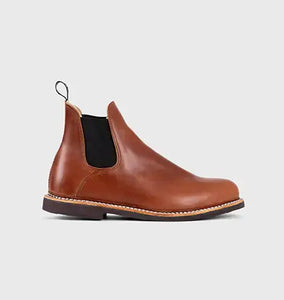
IRONSIDE CHELSEA STEEL TOE BOOT BIG LUG SOLE
Rating: 4.7291665 out of 5 stars, 144 reviews
$359 $359
Price $359
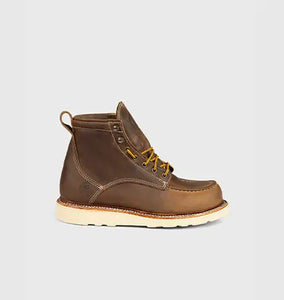
MAINE MOC STEEL TOE BOOT 6" - NATURAL WEDGE SOLE
Rating: 4.82 out of 5 stars, 50 reviews
$349 $349
Price $349
THE WILTON 8" STEEL TOE WORK BOOT - BIG LUG
Rating: 4.3421054 out of 5 stars, 38 reviews
$339 $339
Price $339
THE WILTON 8" STEEL TOE WORK BOOT - ALPHA
Rating: 3.7333333 out of 5 stars, 15 reviews
$339 $339
Price $339
THE WILTON 6" STEEL TOE WORK BOOT - BIG LUG
Rating: 4 out of 5 stars, 7 reviews
$339 $339
Price $339
SALE MAINE MOC STEEL TOE BOOT 6" - NATURAL WEDGE SOLE - GRADED QUALITY
Rating: 4.6 out of 5 stars, 5 reviews
$349 $229
Sale price $229, was $349
SALE THE WILTON 6" STEEL TOE WORK BOOT - ALPHA - GRADED QUALITY
Rating: 5 out of 5 stars, 3 reviews
$339 $219
Sale price $219, was $339
SALE IRONSIDE CHELSEA STEEL TOE BOOT BIG LUG SOLE - GRADED QUALITY
Rating: 5 out of 5 stars, 1 reviews
$339 $219
Sale price $219, was $339

Steel Toe Boots For Mechanics

Steel toe boots for mechanics bring protective footwear into work that involves heavy parts, hand tools, shop equipment, and long stretches on hard floors. For automotive technicians, diesel mechanics, fleet maintenance crews, and others working around machinery, choosing a pair starts with the hazards and footwear requirements of the job. A steel toe cap is designed to help protect the front of the foot against impact and compression, but the presence of steel alone does not establish a boot’s safety rating. Compare the stated safety standards and employer requirements alongside the boot’s construction and fit. Toe protection also does not establish puncture resistance, electrical hazard protection, or traction on a particular surface. Those characteristics need their own documented specifications. The right choice depends on the work underfoot as much as the equipment on the bench.

Fit matters through every part of a mechanic’s day: standing at a lift, kneeling beside a wheel, climbing into a cab, or moving between service bays. Look for enough room to move your toes without pressure from the protective cap, along with a secure heel and a fit that keeps the foot from sliding forward. Account for the work socks you normally wear and any orthotics you use; both affect available space inside the boot. Width, boot height, closure design, and flexibility can influence how comfortably footwear moves through repeated crouching and stepping. Underfoot cushioning and support deserve attention for extended standing, while overall boot weight can affect comfort over a full shift. A steel toe cap will not stretch to accommodate a cramped fit, so toe room should be right from the start rather than left to break-in.

Outsole performance and everyday upkeep are also worth comparing when choosing footwear for a shop environment. Smooth concrete, tracked-in water, and oil residue create different traction demands, so check the stated slip-resistance information rather than judging grip by tread appearance alone. Oil resistance and slip resistance describe different properties; neither should stand in for the other when assessing a boot. Consider how readily the outsole can be cleared of debris and whether the upper’s care requirements suit regular exposure to shop grime. If work includes outdoor repairs or travel between buildings, weather protection may matter alongside indoor comfort, though no single feature replaces a sound overall fit. For mechanics replacing worn work boots or preparing for a new role, the strongest comparison stays practical: documented protection, usable traction, comfortable movement, and construction suited to the daily workload.

Read More