


















1. Home
  2. Slip Resistant Steel Toe Boots

Slip Resistant Steel Toe Boots

Explore slip resistant steel toe boots for work that calls for traction and toe protection. Compare work boots with your job’s safety requirements in mind, paying attention to fit, outsole performance, and the conditions you face on the job.

Read More

Filter

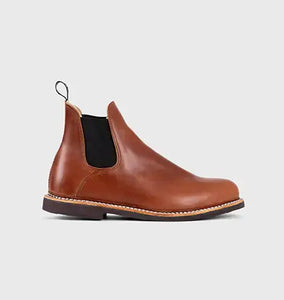
IRONSIDE CHELSEA STEEL TOE BOOT BIG LUG SOLE
Rating: 4.7291665 out of 5 stars, 144 reviews
$359 $359
Price $359
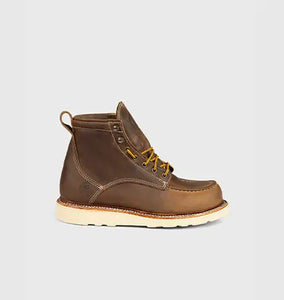
MAINE MOC STEEL TOE BOOT 6" - NATURAL WEDGE SOLE
Rating: 4.82 out of 5 stars, 50 reviews
$349 $349
Price $349
MAINE MOC STEEL TOE BOOT 8" - NATURAL WEDGE SOLE
Rating: 4.5365853 out of 5 stars, 41 reviews
$349 $349
Price $349
THE WILTON 8" STEEL TOE WORK BOOT - BIG LUG
Rating: 4.3421054 out of 5 stars, 38 reviews
$339 $339
Price $339
THE WILTON 8" STEEL TOE WORK BOOT - ALPHA
Rating: 3.7333333 out of 5 stars, 15 reviews
$339 $339
Price $339
THE WILTON 6" STEEL TOE WORK BOOT - NATURAL WEDGE SOLE
Rating: 4.142857 out of 5 stars, 14 reviews
$339 $339
Price $339
THE WILTON 6" STEEL TOE WORK BOOT - ALPHA
Rating: 4.5 out of 5 stars, 12 reviews
$339 $339
Price $339
SALE MAINE MOC STEEL TOE BOOT 8" - NATURAL WEDGE SOLE - GRADED QUALITY
Rating: 4.6666665 out of 5 stars, 6 reviews
$349 $229
Sale price $229, was $349
SALE MAINE MOC STEEL TOE BOOT 6" - NATURAL WEDGE SOLE - GRADED QUALITY
Rating: 4.6 out of 5 stars, 5 reviews
$349 $229
Sale price $229, was $349
SALE IRONSIDE CHELSEA STEEL TOE NATURAL WEDGE SOLE - GRADED QUALITY

Slip Resistant Steel Toe Boots

Slip resistant steel toe boots bring together protective toe construction and traction designed for work surfaces where footing matters. They are a practical category to consider for warehouse crews, tradespeople, maintenance teams, and others whose jobs call for both toe protection and slip resistance. The two features serve different purposes: a steel toe cap provides a protective barrier at the front of the boot, while the outsole helps manage contact with the ground. Neither replaces the need to match footwear to the job. When comparing boots, look for documented safety ratings that meet your employer’s requirements rather than relying on appearance or the category name alone. A steel toe designation does not establish electrical hazard protection, puncture resistance, or suitability for every work environment. Those features require separate confirmation in the product specifications.

Traction depends on more than a deep tread. Outsole compound, tread layout, surface conditions, and the presence of water, oil, or other contaminants all affect how a boot grips. Slip resistance does not mean slip proof, and performance on one surface does not establish the same performance on another. For work that moves between smooth indoor floors and uneven outdoor ground, consider the surfaces you encounter most often and any available slip-resistance testing information. Other construction details deserve the same attention. Compare listed upper materials, closure systems, shaft heights, and sole construction against the movement and exposure your work involves. If a role includes wet conditions, check for an explicit waterproof or water-resistant designation; slip resistance alone says nothing about keeping feet dry. Clear specifications make it easier to separate relevant features from ones your job does not require.

Fit is just as important as protective construction during a full shift. Steel toe caps do not stretch to accommodate crowded toes, so choose a size and width that allow room at the front without excessive movement through the heel and midfoot. Account for the socks you wear at work and any insoles you plan to use, since both affect the space inside the boot. When those details are available, compare boot weight, underfoot cushioning, flexibility, and support with the demands of standing, walking, climbing, or kneeling. A heavier build is not automatically the right choice for every task, and a softer feel alone does not establish lasting support. Slip resistant steel toe boots should fit the work as well as the wearer: appropriate protection, dependable fit, and traction suited to the conditions. Regularly checking tread wear, keeping soles clear of buildup, and following the manufacturer’s care instructions remain important throughout their use.

Read More