















Cold-Weather Hiking Layers
Build warmth you can adjust as the trail changes. Start with a moisture-wicking base layer, then choose outerwear for the pace, terrain, and forecast. For the hiker on your gift list, focus on a layer that earns its place in the gear they already use.
Wool Base Layer Tops
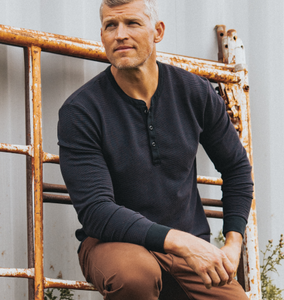
Start next to skin with moisture-wicking wool tops, including double-knit crews and henleys for warmth and odor control.


Cold-Weather Outerwear
Compare wool-blend warmth, lightweight insulation, and wind-resistant construction. Choose the protection the route calls for.


Frequently asked questions
Start with a moisture-wicking base layer, add an insulating midlayer, and carry an outer shell suited to wind and precipitation. Adjust layers before you get sweaty on climbs, then add warmth when you stop. The right combination depends on the forecast, exertion level, and how long you expect to be out.
The NANO WOOL™ LONG SLEEVE CREW uses double-knit, active-seam construction with a smooth face and an interior texture designed to capture heat and reduce friction. Its moisture-wicking properties support rapid drying and odor control, making it a practical starting layer for cold-weather activity.
The ORIGIN STEALTH WOOL® HOODED JACKET SOLID provides thermal-regulating warmth through an American Merino wool/poly blend. NYLOC® overlays reinforce the shoulders and arms in abrasion-prone areas. Wear it over a base layer, and add a suitable weather shell when conditions require more protection.
A vest adds warmth around the torso while leaving the arms uncovered, which can suit hikers who run warm while moving. A jacket adds insulated sleeve coverage for colder conditions and rest stops. The NOVALOC® INSULATED VEST offers lightweight construction, water resistance, and reflective thermal-sheet insulation.
No. Water resistance is not the same as waterproof protection. The NOVALOC® insulated outerwear and TUMBLEDOWN SOFT SHELL JACKET are described as water-resistant. For sustained rain or wet snow, carry a waterproof shell suited to the conditions rather than relying on those layers alone.
Find out what the recipient already wears, which materials they prefer, and where their current layering system falls short. A wool top can replace a worn base layer; an insulated vest can add torso warmth without another set of sleeves. Check the specific garment’s size guide and current price against your budget rather than guessing at fit or buying a complete system.


