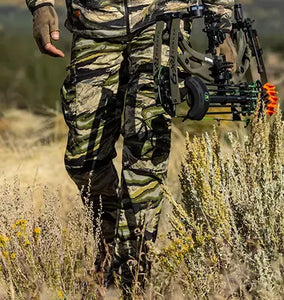
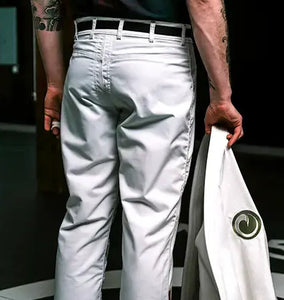
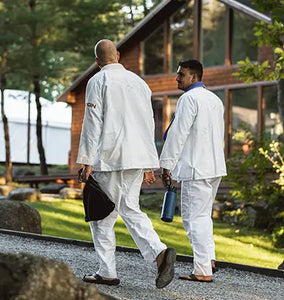
Find work clothes for fall with your job and the weather in mind. Explore everyday workwear for the seasonal shift, and consider fit and room for layers when choosing pieces for cool mornings and warmer afternoons.
Work clothes for fall balance warmth, freedom of movement, and durability through changing conditions. Cool starts, active afternoons, and time spent moving between indoor and outdoor spaces put different demands on the same clothing. Everyday workwear for the season includes sturdy pants, long-sleeve shirts, and layers that add warmth without making movement cumbersome. Fabric weight matters as much as coverage: a substantial weave can provide structure and resist everyday wear, while a lighter layer leaves more room to adjust as temperatures rise. Breathability also matters during physical work, when clothing that feels comfortable at the start of a shift can feel too warm once the pace picks up. For people working in shops, maintaining property, or handling outdoor projects, fall clothing needs to suit both the weather and the effort involved—not simply look ready for the season.
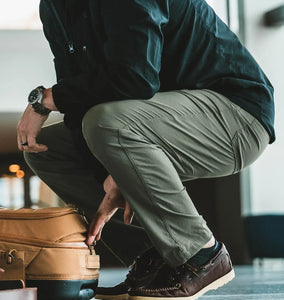
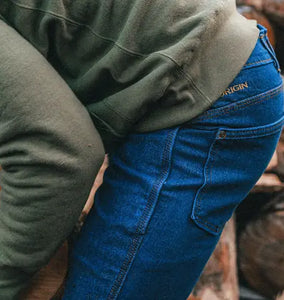
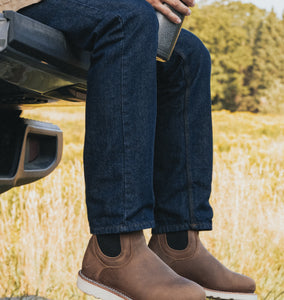
Work pants provide the foundation, with fit and construction shaping how they feel through repeated bending, kneeling, climbing, and lifting. Denim and other sturdy woven fabrics offer different balances of weight, flexibility, and texture. A close fit may keep excess fabric out of the way, but enough room through the seat and thighs remains important for an unrestricted stride and a comfortable crouch. The waistband needs to stay comfortable when seated, while the leg opening and inseam should work with the footwear worn on the job. Pocket placement matters when carrying small essentials, especially where bulky contents could interfere with movement. Seams, pocket openings, and areas exposed to frequent rubbing deserve attention because daily wear concentrates stress in those places. The useful distinction is not how heavy a pair of pants feels in hand, but how its material, cut, and construction suit the work ahead.
Shirts and outer layers bring flexibility to a fall workwear rotation. Long sleeves provide coverage, while a shirt worn over a lighter base can bridge the gap between a cool morning and a warmer afternoon. Shoulder room, sleeve length, and space through the chest affect reach, particularly when layers are worn together. Added warmth is most useful when it does not crowd the arms, restrict the back, or create excess bulk beneath an outer layer. Fabric care is another practical consideration for clothing worn frequently: washing and drying requirements affect how easily pieces fit into a weekly rotation. For hands-on workers and people whose weekends involve repairs, yard work, or time in the shop, dependable fall work clothes serve more than one setting. Their value comes from a workable fit, materials suited to repeated use, and enough versatility to stay comfortable as the day changes.