
















Winter Birdwatching Outfits | Warm, Adjustable Layers
Build your winter birdwatching outfit around a moisture-wicking base layer and a jacket you can unzip on the move and zip up at a stop. Start with a double-knit crew or henley. Choose a fleece-lined soft shell for windy walks or a jacket with reflective thermal-sheet insulation for longer stops.

Shop the Collections
Base Layers
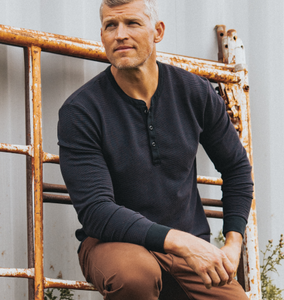
Compare long-sleeve crews and henleys in moisture-wicking double knits that sit next to the skin under a jacket.
Outerwear
Choose between a flexible, wind-resistant soft shell for days spent mostly walking and lightweight insulation for longer stretches at the lookout.
Tips
Layering Fit and Sizing
Wear your base layer close to the skin without restricting movement. Try your jacket over the layers you’ll wear in the field, then raise your binoculars and turn from side to side. Check that the shoulders don’t pull and the sleeves don’t ride up.
Materials
Look for a moisture-wicking double knit next to your skin. A fleece-lined shell combines lining and outerwear in one piece. If you want warmth you can remove separately, compare fleece hoodies for layering.
Walking and Observation Stops
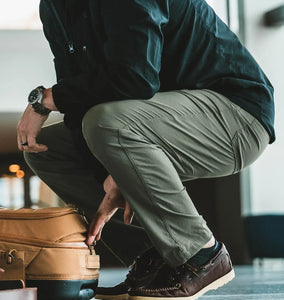
Plan for how long you’ll stand still, not just how far you’ll walk. Keep a layer within reach so you can add it at a stop and take it off when you get moving again. For routes that involve stepping over roots or crouching for a better view, consider birdwatching pants with stretch.
Care
Follow each garment’s care label for washing and drying. After a damp outing, let your base layer and jacket dry completely before putting them away.
FAQs
Start with a moisture-wicking top next to your skin and choose a jacket for the conditions. If your route mixes brisk walks with long stops, carry a fleece midlayer you can add when you settle in to watch.
A crew neck gives you a simple neckline under a jacket. A henley has a button placket you can open for a little airflow without taking off a layer.
A wind-resistant soft shell is a practical choice for exposed walks, especially if you’ll be moving most of the time. An insulated jacket is a better starting point when you expect to spend more time standing still.
Unzip your jacket or take off your midlayer as you warm up on the walk. Zip up or put the midlayer back on when you reach your observation spot rather than waiting until you feel cold.
The Christmas Bird Count window is December 14, 2026–January 5, 2027. If you’re planning to take part, dress for the local forecast and the time you expect to spend at exposed observation spots.


