




















1. Home
  2. Puncture Resistant Steel Toe Work Boots

Puncture Resistant Steel Toe Work Boots

Explore puncture resistant steel toe work boots for jobs that call for protection at the toe and underfoot. Compare each pair’s listed safety specifications and fit details to choose work boots that match your jobsite requirements and the way you work.

Read More

Filter

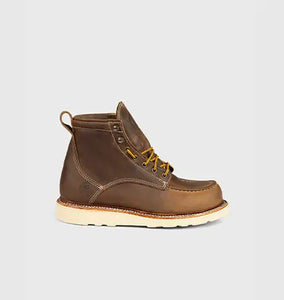
THE WILTON 8" STEEL TOE WORK BOOT - ALPHA
Rating: 3.7333333 out of 5 stars, 15 reviews
$339 $339
Price $339
THE WILTON 6" STEEL TOE WORK BOOT - ALPHA
Rating: 4.5 out of 5 stars, 12 reviews
$339 $339
Price $339
SALE THE WILTON 8" STEEL TOE WORK BOOT - ALPHA - GRADED QUALITY

Puncture Resistant Steel Toe Work Boots

Puncture resistant steel toe work boots address two distinct jobsite hazards: impact or compression at the toes and sharp objects underfoot. Steel toe protection reinforces the front of the boot, while a puncture-resistant component beneath the foot helps resist penetration through the sole. One feature does not replace the other, and neither makes a boot suitable for every work environment. For construction crews, demolition workers, maintenance teams, and others working around debris or heavy materials, the right choice starts with the hazards of the job and the footwear requirements of the employer. Compare the safety markings and documented protection for each listing rather than relying on appearance or the words “work boot” alone. Where ASTM requirements apply, check the specific standard and protection designations against the requirements of your workplace. Puncture resistance is not puncture proof; sharp objects, exposure conditions, and wear still matter.

Fit deserves the same attention as protection, especially when the workday involves extended standing, walking, kneeling, or climbing. A steel toe cap should leave room for your toes without pressing against them, while the heel and midfoot should feel secure enough to limit unwanted movement. Do not count on break-in to resolve pressure from the toe cap. Consider the socks you wear on the job and any compatible insoles or prescribed orthotics when comparing sizing and available widths. Boot weight, flexibility, cushioning, and shaft height can affect how footwear feels through a full shift, but no single combination serves every task. Work on hard floors places different demands on the feet than work across loose ground or uneven debris. Look for product details that explain fit, underfoot support, and intended use so you can judge each option against the work you actually do.

Traction, moisture management, and additional safety features are separate considerations when choosing puncture resistant steel toe work boots. Puncture resistance does not establish slip resistance, and a steel toe does not by itself establish electrical hazard protection. Verify any required ratings in the product information, and distinguish waterproof construction from more general descriptions of moisture resistance. For outdoor work, consider exposure to rain, mud, and temperature changes; for indoor work, weigh ventilation and comfort alongside the demands of the floor surface. Construction details and care requirements also matter when choosing footwear for repeated use. Follow the manufacturer’s guidance for cleaning, inspection, and replacement, particularly after a significant impact or suspected puncture. A practical choice brings together documented protection, a secure fit, and features suited to the conditions underfoot.

Read More